
Traveling like a local in Korea isn’t about pretending to be Korean. It’s about noticing the small everyday habits that make life here surprisingly convenient, efficient, and enjoyable.
Most visitors experience Korea through famous landmarks, popular restaurants, and places recommended by every travel guide. But the Korea that locals know is found in the little things—using Naver Map instead of Google Maps, heading underground when it starts raining or the summer heat becomes unbearable, asking for an apchima before eating Korean BBQ, or calling fried rice the “real dessert.”
These aren’t tourist attractions. They’re small everyday habits that can help you notice cultural differences during your trip.
As someone who has lived in Korea my entire life, I’d like to share the habits, customs, and small details that make everyday life here unique. Learn these 20 local habits, and you won’t just visit Korea—you’ll experience it the way locals do.
Table of Contents
Everyday Navigation and Public-Space Habits
1. Using Local Map Apps Alongside Google Maps
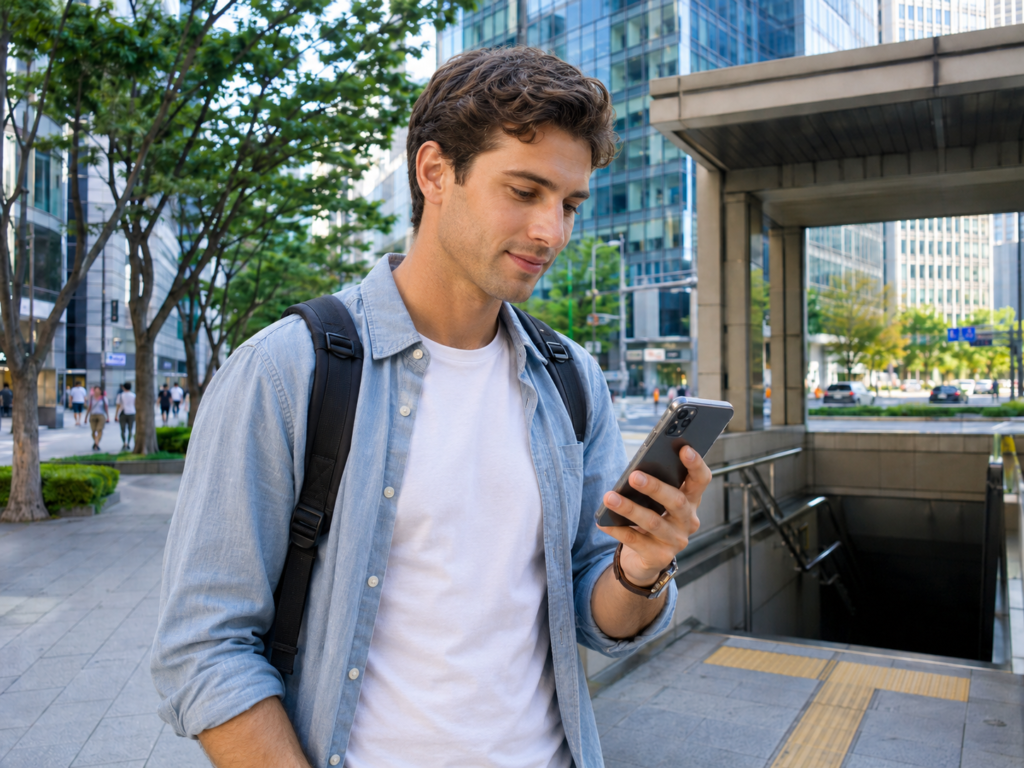
Many people in Korea use Naver Map or KakaoMap for everyday directions. You can keep Google Maps if you find it useful, while using a local map app for walking routes, subway exits, and transfers. Our guide to Google Maps and local map apps in Korea explains the differences.
2. Stepping Aside in Busy Subway Stations
Busy Korean subway stations work best when people keep walkways clear, especially at rush hour. Step to the side before checking your phone or map; our guide to Korean subway culture covers other small habits you may notice.
Dining & Café Culture: Eating Like a Local
3. Searching “Matjip” (맛집) Instead of “Best Restaurant”
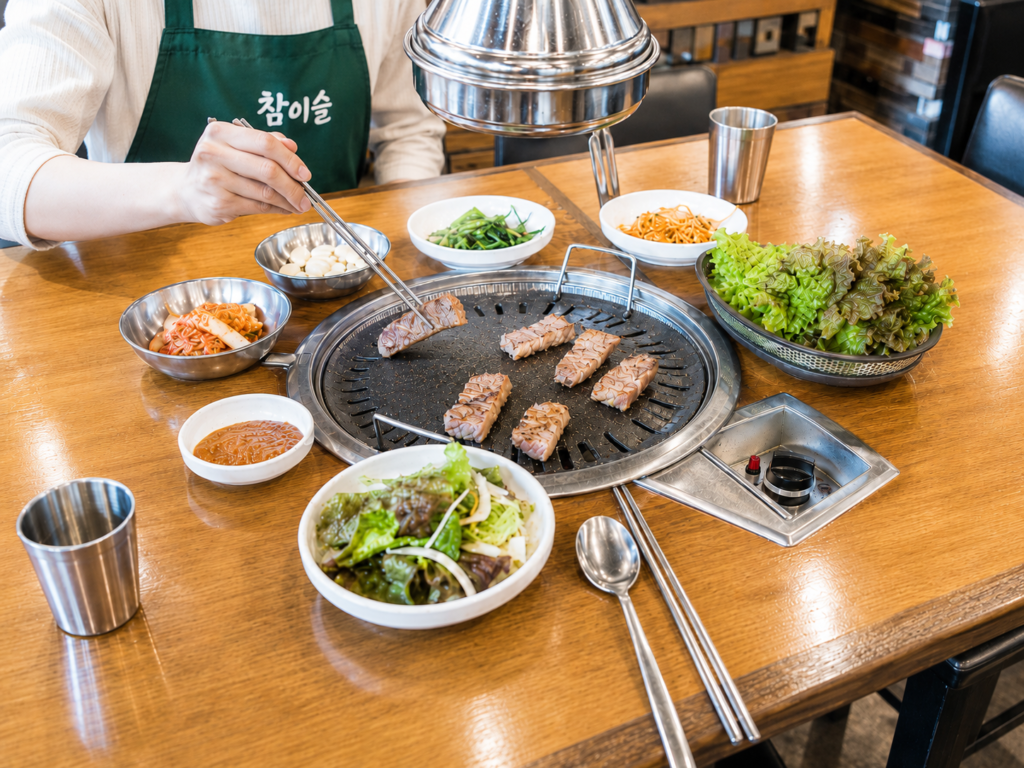
When you’re looking for a great place to eat, try a Korean search too. Type the neighborhood name followed by “맛집” (matjip) into Naver. The word matjip is used for places recommended for their food, but the label alone is not a guarantee. Look for restaurants with plenty of Korean reviews and blog posts from local diners. That can help you look beyond the usual English-language restaurant recommendations.
4. Looking for the Table Drawer
Some Korean restaurants keep chopsticks, spoons, and napkins in a drawer at the side of the table. If the table looks bare, check for a drawer before asking the staff.
5. Using the Table Bell When There Is One
Many Korean restaurants have a small table bell for calling the staff. If you see one, press it when you need help rather than calling across the room.
6. Ordering Food to Enjoy by the Han River
On warm evenings, some people order fried chicken (Chikin) or black bean noodles (Jjajangmyeon) to enjoy by the Han River. If you use delivery, check the park’s designated delivery area for meeting the rider. For foreign visitors, phone-number, app, and payment requirements can make ordering difficult.
7. Finishing with Korean “Dessert” (Fried Rice)
After dakgalbi or another shared-pan meal, some diners ask for rice to be fried in the leftover sauce with ingredients such as seaweed and sesame oil. You may hear this jokingly called “dessert,” even though it is savory and completely optional. Ask whether fried rice is available if you would like to try it; our Korean BBQ guide covers more table habits.
8. Don’t Be Shy About Asking for an Apron
Spilling spicy sauce on a clean shirt is frustrating when you’re traveling. Before the meat even hits the grill, many Koreans reach for a fabric apron (called an apchima in Korean). If you don’t see one on your chair or nearby, simply ask the staff. Wearing an apron is a practical way to protect your clothes.
9. Trying Korean Convenience Store Food Combinations
A cup of ramen with string cheese or 삼각김밥 (samgak kimbap) is one way to turn convenience-store snacks into a simple meal. Trying combinations at a 편의점 (pyeonui-jeom) can be a fun, inexpensive look at everyday food culture. Our Korean convenience store guide has more ideas.
10. Ordering an “Ah-Ah” Even in Freezing Winter
Koreans even have a word for this: 얼죽아 (Eoljukah), which jokingly means, “Even if I freeze to death, I’ll still drink an iced Americano.”
Even on cold winter days, you may see office workers walking through Seoul with an iced coffee in hand. It might seem strange at first, but after spending some time in Korea, don’t be surprised if you find yourself ordering an “Ah-Ah” too.
11. Sharing Drinks with Anju
In Korea, alcohol is often enjoyed with 안주 (anju), the food served alongside it.
If you’re drinking beer, fried chicken (치맥, chimaek) is one of the most popular choices. If you’re drinking 소주 (soju), grilled pork belly, seafood dishes, or a hot soup are common companions.
Many Koreans believe good food is just as important as the drink itself. Sharing anju isn’t just about eating—it’s part of the conversation, the atmosphere, and the experience of drinking together.
Everyday Etiquette & Local Lifestyle
12. Showing Respect with Two Hands
One of the easiest ways to show good manners in Korea is by using both hands. When someone hands you a receipt, gives you a business card, or pours you a drink, receive it with both hands whenever possible. In more formal situations, many Koreans lightly support their right arm with their left hand as an extra sign of respect, especially when interacting with older people.
It’s a small gesture that can show consideration, especially in more formal settings.
13. Knowing That Tips Usually Aren’t Expected
Tipping generally isn’t expected in Korean restaurants, cafés, or taxis. A warm smile and a sincere “감사합니다” (gamsahamnida, “thank you”) are a simple way to show your appreciation.
14. Getting Comfortable at a Korean Jjimjilbang
Visiting a traditional Korean bathhouse (찜질방, jjimjilbang) can be a relaxing way to spend a few hours. The biggest surprise for many first-time visitors is that the bathing areas are generally separated by gender and used without swimwear. Once you get past the initial awkwardness, you may understand why some people enjoy spending hours there.
After your bath, change into the lounge clothes provided, head to the shared relaxation area, fold your towel into the famous “sheep head” style, and enjoy a cold cup of 식혜 (sikhye), a sweet rice drink that’s considered a classic jjimjilbang treat.
Before you leave, you might try 맥반석 계란 (maekbanseok gyeran), baked eggs enjoyed with a cup of sikhye as a jjimjilbang snack.
15. Taking “Life Four Cuts” Photos
One thing you’ll notice in Korea is that taking photo booth pictures isn’t just for tourists—it’s part of everyday life. Walk through neighborhoods like Hongdae or Seongsu, and you may come across 인생네컷 (Insaeng Ne-cut, “Life Four Cuts”) photo booths filled with friends, couples, and even families.
The fun starts before the camera flashes. People borrow funny props, wear oversized hats or sunglasses, and squeeze into the booth to strike four creative poses in just a few seconds.
Before you leave, check your photo strip for a QR code. Many booths let you download digital copies—or even a short behind-the-scenes video of your photo session.
For many Koreans, Life Four Cuts isn’t just a souvenir. It’s a way of capturing everyday memories with the people they’re spending time with.
16. Checking the Restroom Password
One thing that surprises many visitors is that the restroom isn’t always inside the café or restaurant. In many Korean buildings, several businesses share the same restroom, and it’s often protected by a keypad.
Before you head out looking for the restroom, check the counter, your receipt, or a small sign near the entrance. You may find the password printed there. Some older buildings still use a physical key—sometimes attached to an oversized plastic spoon or ladle so it’s harder to lose.
It might seem unusual at first, but it’s a small detail that quickly becomes part of everyday life in Korea.
17. Following Korea’s Recycling Rules
Recycling is taken seriously in Korea. Plastic, paper, cans, food waste, and general waste are usually separated before disposal. If you’re staying in an Airbnb or guesthouse, ask your host how to sort your trash, as the rules can vary by neighborhood and apartment building.
It may seem complicated at first, but asking about the local system makes it easier to put each item in the right place.
18. Going Underground to Escape the Weather
On rainy days or during freezing winter weather, some people choose an underground route. Instead of carrying an umbrella through the rain or walking in the heat, they take advantage of Korea’s underground shopping malls to get around more comfortably. During severe weather, follow local warnings rather than assuming an underground route is safe.
Places like Goto Mall at Express Bus Terminal and COEX Mall are directly connected to subway stations, allowing you to shop, eat, grab a coffee, and even walk for surprisingly long distances without stepping outside.
It’s an everyday option that visitors may also come to appreciate. After experiencing Korea’s humid summers or icy winter winds, you’ll probably find yourself choosing the underground route too. If you are visiting in July or August, this guide to Korea summer weather explains how the heat, humidity, rain, and warm nights can affect your sightseeing plans.
19. Wearing a Long Padding in Winter
When winter arrives in Korea, the streets seem to turn into a sea of black. People of all ages can be seen wearing long down jackets known as “long paddings.”
At first, you might wonder why so many people seem to be wearing the same coat. Then you’ll experience your first Korean winter.
Warmth often takes priority over fashion. After a few days in the winter wind, the appeal of a long, warm coat may become easier to understand.
20. Moving Through Crowds Like a Local
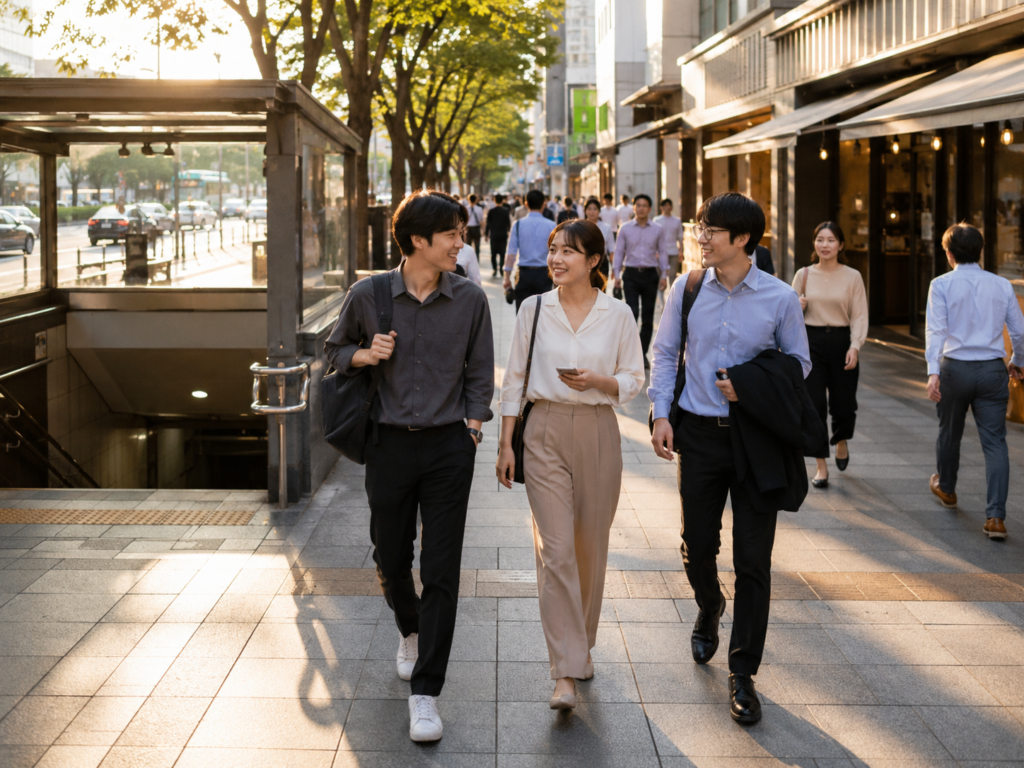
Seoul is a fast-moving, crowded city. Whether you’re in a busy subway station, a traditional market, or a festival, you may need to ask for room to pass.
You may hear people say “잠시만요” (jamsimanyo), which means “Excuse me” or “Just a moment,” when they need to pass. It’s a polite way to ask for room, not an invitation to push.
Say “Jamsimanyo” and wait for enough space before moving through. If a crowd is too tightly packed, don’t try to force your way forward.
Final Thoughts
Traveling like a local in Korea doesn’t mean pretending to be Korean. It means understanding the small everyday habits that make life in Korea unique.
The best travel memories rarely come from checking famous attractions off your list. They come from ordering fried rice at the end of a Korean BBQ meal, drinking an iced Americano in the middle of winter, discovering a hidden 맛집 (matjip), or spending a relaxing evening by the Han River like the locals do.
Those are the moments when Korea starts to feel less like a destination and more like a place you’re truly experiencing.
So on your next trip, don’t just visit Korea—experience it like a local.
Frequently Asked Questions
Do I need to speak Korean to travel like a local?
Not at all. Learning a few basic phrases like “감사합니다” (gamsahamnida, “Thank you”) and “잠시만요” (jamsimanyo, “Excuse me”) will certainly make your trip easier, but you don’t need to be fluent. Translation apps like Papago are widely used in Korea and can help you communicate in most everyday situations.
Why do most Koreans use Naver Map instead of Google Maps?
Google Maps works in Korea, but its navigation features are limited because it doesn’t have access to the same mapping data as local services. That’s why most Koreans rely on Naver Map or KakaoMap, which provide more accurate walking directions, public transportation information, and real-time navigation.
Is tap water safe to drink in Korea?
Yes. Tap water in Korea is safe to drink and meets strict national drinking water standards. That said, many Koreans still prefer drinking filtered water or bottled water out of habit, which is why you’ll often find water purifiers in hotels, restaurants, offices, and public buildings.
Related Guides
Want to go deeper into everyday Korea?
These guides will help you handle real local situations, from ordering food to enjoying Korean BBQ with confidence.
How to Order Food in Korea Like a Local: 11 Essential Tips for First-Time Visitors
Ordering food in Korea can feel confusing at first. This guide shows you how locals really do it.
→ Read the food ordering guide
13 Things That Surprise Tourists at Korean BBQ Restaurants
Korean BBQ is more than just grilled meat. Learn the small table habits that surprise first-time visitors.
→ Read the Korean BBQ guide